
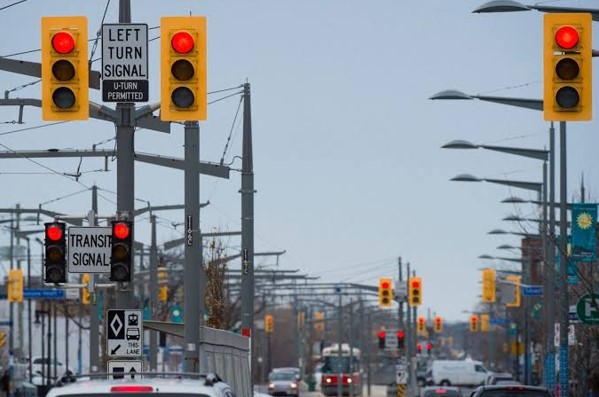
The landscape of traffic enforcement in Ontario has seen a dramatic shift toward automation. By 2026, red light cameras will have become ubiquitous across the province, monitoring thousands of intersections 24 hours a day. While these systems are framed as public safety initiatives, they often function as “revenue generators” that catch well-meaning drivers in technical traps. Receiving a red light camera ticket in the mail can be a confusing experience, primarily because the ticket is issued to the owner of the vehicle, not necessarily the person who was driving at the time of the infraction. At Traffic Paralegal Services, we provide the clarity and legal expertise needed to navigate these automated charges and protect your vehicle’s history.
Technical Mechanics and the Basis for a Charge
A red light camera is triggered only if a vehicle enters an intersection after the traffic signal has turned red. If you enter the intersection on a green or yellow light and the light changes while you are still making your turn or clearing the box, the camera should not activate. However, sensors can be hypersensitive, and timing delays in the signal can lead to erroneous charges. When you receive a red light camera ticket https://www.trafficparalegalservices.com/traffic-tickets/, it usually includes two photographs: one showing the vehicle behind the stop bar while the light is red, and a second showing the vehicle in the middle of the intersection. Understanding the timestamp and the interval between these photos is the key to building a defence. Traffic Paralegal Services employs specialists who can interpret this data and identify if the system was functioning outside of provincial guidelines.
The Legal Distinction: Points vs. Fines
One of the most important things for Ontario drivers to understand is that a red light camera ticket does not result in demerit points on your driver’s license. Because the camera captures the rear license plate and cannot verify the identity of the driver, the law treats it as an administrative fine against the owner. The set fine is currently $325. While the lack of demerit points makes this seem “safer” than being pulled over by an officer, a conviction for a red light camera ticket still creates a record. For commercial fleets or people who share their vehicles, these convictions can accumulate, leading to administrative headaches and issues with license plate renewals. By choosing Traffic Paralegal Services, you can challenge the ticket’s validity and ensure that you aren’t paying for a system error.
Strategies for Defense in 2026
There are several avenues for defending an automated ticket. First is the “Disclosure Request.” We demand the calibration and maintenance logs for the specific camera unit in question. If the camera hasn’t been inspected within the legally required timeframe, the evidence may be inadmissible. Second is the “Service of Process.” Ontario law requires that these tickets be mailed within a specific window (usually 23 days). If the municipality fails to meet this deadline, the charge must be quashed. Traffic Paralegal Services also looks at environmental factors – was the stop line visible? Were there obstructions like snow or heavy rain that interfered with the camera’s accuracy? By mounting a professional defence, we help you avoid the $325 fine and the frustration of an unfair conviction.
The Role of Traffic Paralegal Services
Navigating the Ontario court system for a red light camera ticket can be time-consuming. You often have to attend a “First Attendance” meeting or a full trial. Most people cannot afford to take a day off work to fight a $325 ticket, but simply paying it reinforces a flawed system. At Traffic Paralegal Services, we can often represent you in court without you needing to be present. We handle the paperwork, the negotiations with the prosecutor, and the technical arguments. Our mission is to ensure that automated enforcement remains fair and that Ontario vehicle owners are not treated as ATMs for the municipality.
